
Clean The Swimming Pool Dumpster Sells & Money Farming
Turn scoop trips into upgrade cash with smart dumpster timing and storage discipline.
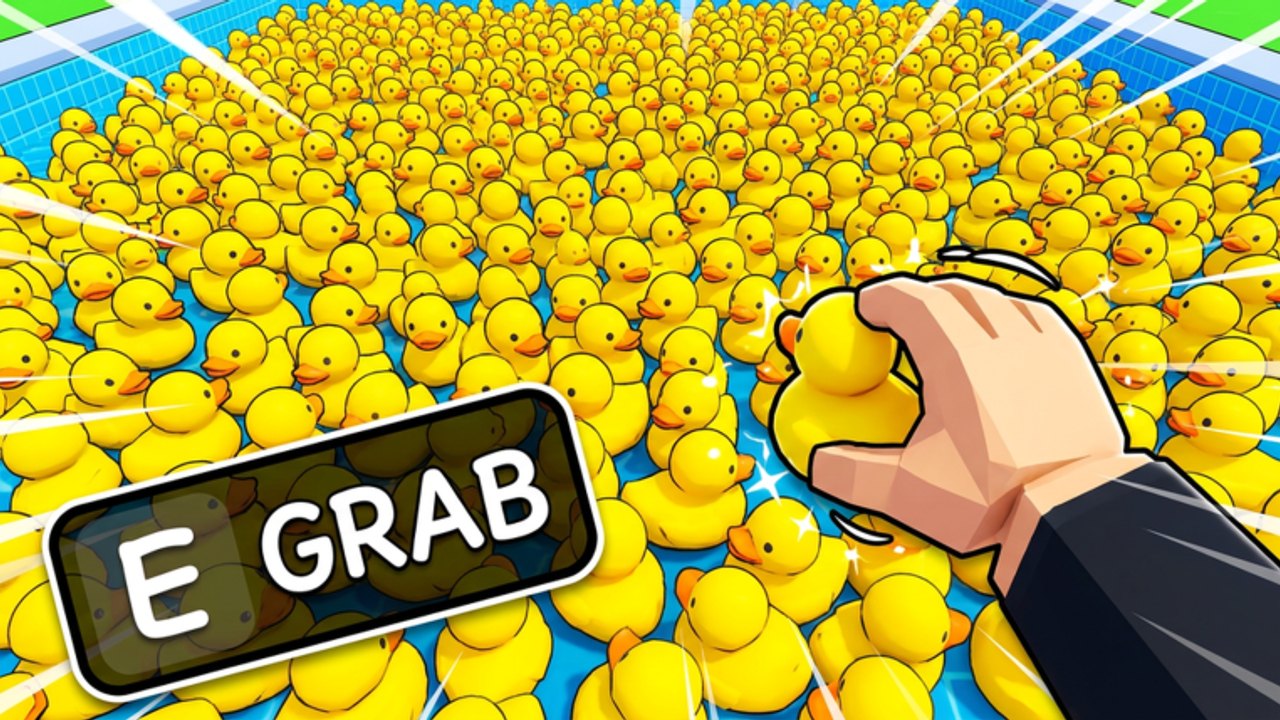
In Clean The Pool (wiki title Clean The Swimming Pool) every upgrade, tool, and rare-duck chase is funded by one action: cashing your rubber-duck load at the dumpster. Felbolt Studios’ official description calls this out explicitly—scoop, unlock tools, cash out at the dumpster, upgrade speed / storage / earnings, hunt rares. This guide is the money-side deep dive. Use it with Controls, How to Scoop Fast, and Upgrades.
Why the dumpster is the real checkpoint
Scooping without selling is inventory theater. Cash only appears after a successful dumpster deposit. That means:
- Your money/hour equals completed sell trips × average load value.
- Storage upgrades raise average load value.
- Speed upgrades raise trip count.
- Earnings upgrades multiply both.
- Better tools fill the bag faster so you reach the dumpster sooner.
Optimize the sell, and every other system gets cheaper in time. Ignore the sell, and even an S-tier scoop feels broke.
Finding and using the dumpster
- After spawn, locate the dumpster relative to the main pool—usually a short path from the water edge.
- Fill or nearly fill your bag while scooping.
- Sprint the shortest clear path (avoid looping the long deck rail).
- Enter the proximity prompt and confirm the sell.
- Immediately open the shop and spend on the next bottleneck (upgrades priority).
- Re-equip tools, return to water.
Chapter 2 layouts can shift props; if a video dumpster disagrees with your client, trust the live map and re-learn the path once after each major update.
When to sell (decision rules)
Use these rules instead of vibes:
- Sell at ~80–100% bag when storage is small—partial trips still beat AFK waiting for one more common duck.
- Sell immediately if you just scooped a high-value rare and the bag is already heavy—protect the payday (rare ducks).
- Stretch the loop only after a fresh storage upgrade, when the longer swim clearly adds more cash than the extra walk costs.
- Never stand full in the water clicking empty prompts—full bags mean dumpster time.
- In co-op, stagger sells so six players do not stack on one prompt; see players.
Money/hour habits that compound
- Cut dead walking — mark a mental lane from densest duck water to dumpster.
- Buy storage before cosmetics — more ducks per sell beats a fancy idle animation.
- Buy speed when walks dominate — if half your session is deck sprinting, speed is cash.
- Buy earnings when volume is stable — multipliers shine after trips are consistent.
- Unlock tools that fill bags faster — Vacuum and Dynamite style passes/tools exist for a reason (tools tier, gamepasses).
- Recheck codes after patches — still none confirmed November 2026, but milestone gifts often appear beside updates (codes).
Auto Deposit and other paid QoL
The universe catalog includes a Permanent Auto Deposit gamepass (sale status changes—verify in the Roblox store tab). When active, it reduces or removes the manual dumpster confirm friction so more of your time stays in the water. Other money-adjacent passes include Permanent 2× Money (often not for sale), Infinite bag, and OP tools. None of them replace fundamentals: you still need ducks in the bag. Rank value on the gamepasses page before spending Robux.
Common money leaks
- Buying every shop node 1→1 instead of one meaningful storage/speed bump.
- Chasing rares across the map with a full bag.
- Watching the dumpster animation instead of pre-planning the next purchase.
- Switching servers mid-bag and losing a full load to a disconnect—sell first if you must hop.
- Trusting “instant money” scripts; read scripts safety notes and stay on the legit loop.
Mini farm plan (first hour)
- Complete five dumpster sells with the starter scoop (getting started).
- Spend all early cash on storage, then speed.
- Run ten timed loops: note average seconds pool→dumpster→shop→pool.
- Unlock the first clearly better tool once storage can absorb the faster fill rate.
- Add a rare-duck glance rule without breaking sell cadence.
- Recheck updates if Chapter content just dropped new pools—paths may shorten or lengthen.
How this page links the rest of the wiki
- Inputs: Controls
- Faster fills: How to Scoop Fast
- Spend order: Upgrades
- Value density: Rare Ducks
- Tool ranks: Tools Tier List
- Robux shortcuts: Gamepasses
- Gift status: Codes
The dumpster is not a side objective. It is the metronome of Clean The Pool. Keep loads moving, spend cash on bottlenecks, and every Chapter 2 expansion becomes more fuel for the same reliable money engine.
Frequently Asked Questions
Quick answers about Clean The Swimming Pool.
Where do I sell ducks in Clean The Pool?
Carry your load to the dumpster marked in the experience, use the proximity prompt, and confirm the cash-out. Money appears after a successful deposit.
When should I go to the dumpster?
Usually at 80–100% bag capacity, or sooner if you are holding a rare payday. Do not keep scooping while full.
What is Permanent Auto Deposit?
A universe gamepass that automates or simplifies dumpster deposits. Check live sale status on the gamepasses page before buying.
How do I raise money per hour?
Increase bag size, shorten walk time with speed, multiply payouts with earnings, and fill faster with better tools—then keep sell trips consistent.
Do codes replace dumpster grinding?
No. Codes are occasional bonuses. As of November 2026 none are confirmed for this title; the dumpster loop remains the economy.